
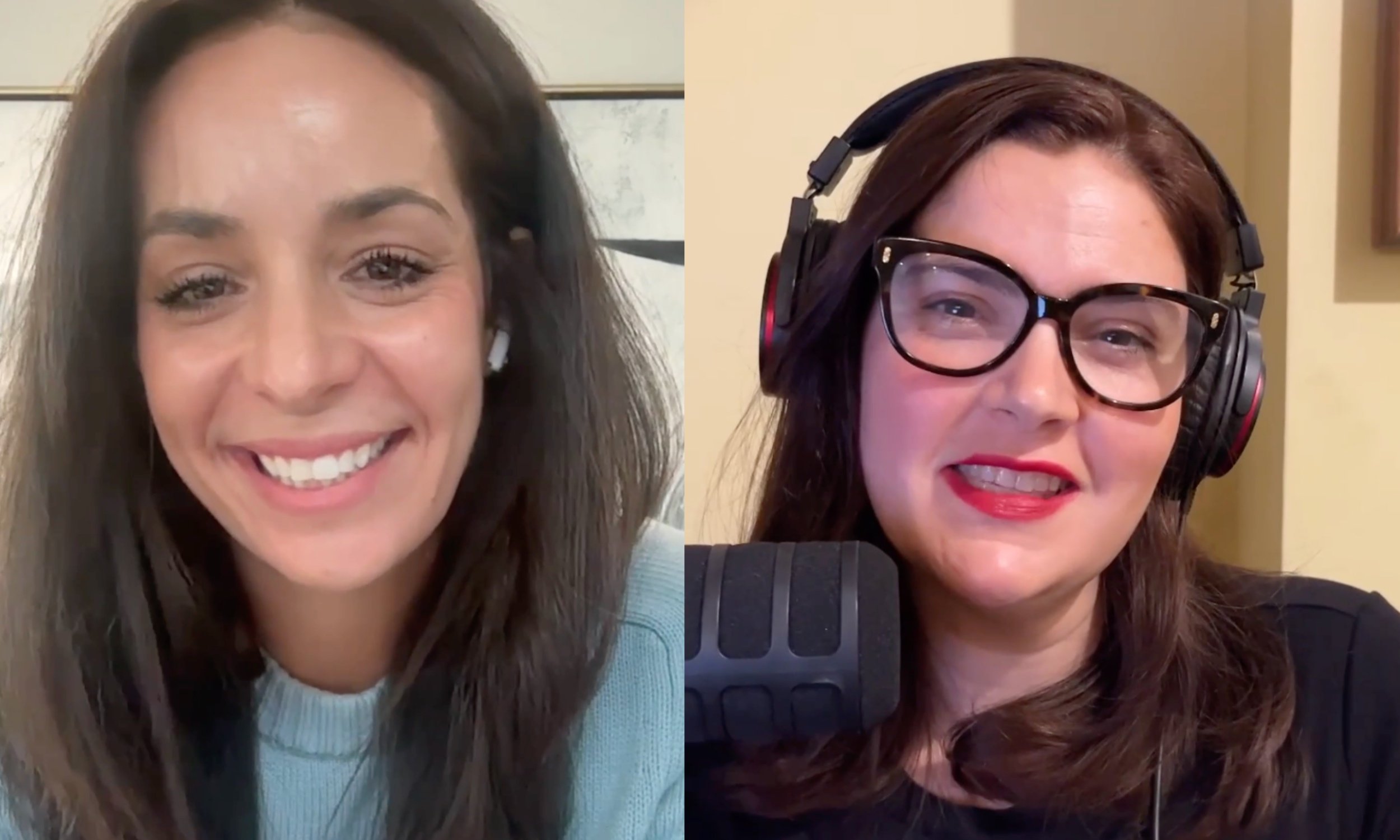
In this episode of Podbiz, host Norma Jean Belenky sits down with Molly Ponzo, VP of Ad Product for Sirius XM Media and AdsWizz. With 15 years of industry experience spanning Pandora, Stitcher, Simplecast, and SiriusXM, Molly offers an insider look at how podcast advertising has evolved from early direct-to-consumer (DTC) host reads into a complex, omnichannel monetization ecosystem.
Key Highlights from the Episode
Where the Money in Podcasting Is: The biggest opportunity in modern podcasting is making content easier to buy for advertisers at scale. While mega-creators bring in major deals, an "and strategy" allows advertisers to reach hyper-engaged niche demographics across thousands of mid-sized and smaller shows.
The Evolution of Ad Tech: Moving from burned-in RSS ads to Dynamic Ad Insertion (DAI) and Programmatic buying transformed audio. It opened the door for brand verticals—like movie studios—that previously couldn't advertise due to tight campaign windows.
Balancing Creator Trust & Brand Safety: Unlike traditional music radio, podcasting relies on personal trust between creators and their listeners. Building ad products requires granular controls so hosts retain authenticity and control over brand associations.
The Omnichannel Future: Podcasting is no longer strictly audio or RSS-bound. From video (like HLS) to social media, newsletters, and live events, monetization requires distributing across all platforms and measuring audience impact holistically.
Episode Q&A: In Conversation with Molly Ponzo
Molly, where is the money in podcasting today, and how has that shifted over time?
Molly Ponzo: "It's such an interesting question because the money has really changed over time, right? And so at SiriusXM, the way we've been thinking about it these last few years is that the opportunity is really making podcasting easier to buy. I think, you know, as we look at the history of podcasting, we know it's been very concentrated historically in the biggest shows with very specific advertisers and DTC and performance.
And what we've tried to do at SiriusXM and AdsWizz is think about how do we scale that? How do we make it easier for more shows to be involved, more advertisers? And now that we're talking about, you know, video, social, newsletters, events, like we need to make sure that those can—can we make that continuously easy for advertisers to be a part of and engaging with that like amazing audience that podcasters have."
Q: What about mid-size or smaller creators who feel left out compared to hundred-million-dollar deals? How do they fit into the strategy?
Molly Ponzo: "Yeah, I mean, we definitely think of it as like an 'and strategy' when we're talking to advertisers out in market. Obviously, like you just named two of our biggest, Call Her Daddy, MrBallen, like they're bringing advertisers in. That is how we get attention. But what we're doing with that is we're coming back to them and saying, 'Yeah, you can buy with them, but hey, also have you heard of these 10, hundreds, thousands of shows that are similar, or you don't even need to know the show name. Tell me the audience you're trying to reach. And we're going to be able to transform that for you and say, here's other places you could be advertising that have really engaged audiences. Just because you don't know the celebrity behind it doesn't mean they're not important.'
And trying to show them the value, you know, it always goes back to advertising is like, did the money I spend, is it giving me the results that I want? And what we're trying to get people to understand is host reads perform amazing. We know that. But also there are these audiences that are listening to shows you've never heard of, but they're still so important. And that's also how you grow these shows. I mean, a lot of these shows we're talking about five years ago, people didn't know about."
Q: Having transitioned through the Pandora acquisition and SiriusXM's takeover of Stitcher and Simplecast, what was it like introducing Dynamic Ad Insertion (DAI) to podcasting?
Molly Ponzo: "When we entered the podcasting space, it was so different than what we had done with, you know, Pandora and SoundCloud and others, in that we were used to this idea where we controlled the player, where we decided exactly where the ad breaks were, that we could dynamically insert whatever ad we wanted. And the way podcasting was working at the time was the RSS feed would actually have the ad stitched into it. So you would get your RSS feed, and so you could be listening to a podcast from seven years ago and it still has the ad from seven years ago.
And so it was definitely a different world. And we had to kind of figure out how do we bring this into the dynamic ad insertion world? How do we introduce podcasting, which is so special, to different advertisers? There were so many advertisers who couldn't be a part of that because of some of these technology challenges...
So much of what we had to build isn't just the ad insertion, which is so important, but it's like those protections for our creators to say: 'Here's the brands I want to be associated with. Here's the brands I definitely can't be associated with.' And then it's the same way on the advertiser side, right? Like when we talk about the type of content they want to be alongside... It was a delicate balance because creators too were losing a little bit of the control they were used to having when everything was like a one-to-one. And so it was trying to figure out how do you make them feel comfortable with this idea that more people want to be a part of this, but the way you're doing it doesn't scale."
Q: How does SiriusXM Media package major shows versus broader inventory for sales teams?
Molly Ponzo: "Generally the way our sales team sells is they think about the ad space in what they call our 'Everywhere' product, which is all about reach and scale. So you're trying to reach anyone you can across streaming and podcasting. Then we kind of have something in between we call our 'Select' product suite, which is, you know, a little bit of precision targeting. So I can select a handful of shows, a handful of stations, you know, maybe I want TuneIn here and SoundCloud there. And then we have what we call our 'Custom' packages, which is kind of more what you think of when you think of podcasting. So that's your host reads, that is your product placement in video, that's your events.
When we bring on these big people, maybe we're doing their post-roll that way, but the majority of the effort is spent on that like kind of Select to Custom world. And so we do everything from preparing our sellers with the sales team—kind of every big show we bring on will get like its own introduction... It's really figuring out what their sweet spot is and being able to go and talk to buyers around like, 'Hey, it's not just this person has a lot of followers. You know, like our Deep Three podcasts, like we have a really engaged audience over there. Let's see if this is something you want to try.'"
Q: What is the biggest hurdle audio advertising still faces compared to display or video?
Molly Ponzo: "One of our mantras is like, we've got to prove that audio works. And so, like, that is constantly what we're trying to do is just show people those results in podcasting, in streaming, and everywhere else... Today, so many of those results, the mixed media modeling, the measurement things that we are evaluated on are not built for audio. They're built for display and video. And so a lot of our conversations are around like, do we need to create a new model? How do you assess us next to video and display and social?
And then I think separate but related is like we're also acknowledging that podcasting is bigger than audio now. And so to grow that pie means making it easy to buy this omnichannel experience... A lot of what we think about is that interconnectedness. How do we distribute to all the new places? You know, the Tubi, the Amazons, like everyone has content now. How do we make sure our creators are getting their content there, that we understand the audiences there, and that we can monetize that just as well for them as the RSS feed that we started our relationship with?"
Q: If you could go back in time, what would you have done differently in your product roadmap?
Molly Ponzo: "Product management in general is kind of this balance between building what is really obvious and right in front of you and building what the future could look like. And, as we've talked about, I think SiriusXM clearly made some bets that paid off. But like I also think, you know, being self-critical, I'd really spend more time kind of looking around the corner and thinking more about like how this audience behavior has changed, right? Like we were an audio house. It was very easy to stay in the audio lane.
And I think looking back, like I would have liked to have noticed that shift into video and social faster... For non-technical people, how I always think about it is like you've built a house. And so if you built this house, you thought you had it all together—changing a countertop, like no problem. But if all of a sudden like you want to move where the toilet is, you're moving the plumbing, right? And so it's like if you didn't think about that ahead of time, there's just more work where you're having to kind of do a demolish and rebuild, not just like a top-level change. And so if you didn't plan for something, you kind of have to take two steps back before you can make that leap forward."
Q: To wrap up, what are you most excited about for the future of the podcast industry?
Molly Ponzo: "I think what is so fun about podcasting is this like open and interconnected system that we have here. You know, it makes it more complicated because you don't control every single thing that you're doing, but it's so refreshing to be in an industry where you are having to partner to build a successful product.
And so, like what I'm excited about is like continuing those partnerships so that we can really grow the amount of creators that are getting the opportunity to be monetized and to be seen and heard... The more we can build the technology to get advertisers and brands to notice those, the more opportunity we have to just make podcasting bigger and better forever. That is what we're here for is connecting brands to fans, like making creators successful."
Please support our sponsors:
Lean and Loaf - Your one stop shop for podcast video and audio post production. www.leanandloaf.com
PodSEO - A specialized competitive intelligence and growth platform designed to optimize podcasts for search engines, listening apps, and AI assistants. www.podSEO.com
A thank you to our media partners:
Podnews - Daily news for the podcast and on-demand audio industry. www.podnews.net
Headliner / Disco - Disco converts your readers into podcast listeners. Quickly create, clip, and caption podcast videos with ease. Turn 1 full-length video into 10 optimized, accessible podcast clips. www.headliner.app
